Phone:
(701)814-6992

Physical address:
​6296 Donnelly Plaza
Ratkeville, ​Bahamas.

Exploring Different Types of Renovations: Transforming Spaces for a Better Future

Introduction

Renovations are more than just aesthetic upgrades—they improve functionality, increase property value,and enhance the overall quality of living. Whether it’s a minor update or a major structural overhaul, different types of renovations serve specific purposes. Understanding these categories can help homeowners and businesses make informed decisions when planning a renovation. Here’s a closer look at the most common types of renovations and their impact.


1. Interior Renovations: Enhancing Living Spaces

Interior renovations focus on improving the inside of a home or building, making spaces more functional, stylish, and comfortable. These renovations can range from small upgrades to complete transformations.

  • Kitchen Remodeling: One of the most popular renovations, kitchen upgrades include installing modern appliances, new cabinets, countertops, and lighting to improve efficiency and aesthetics.
  • Bathroom Renovations: Updating bathrooms with new fixtures, vanities, tiles, and spa-like features can enhance comfort and property value.
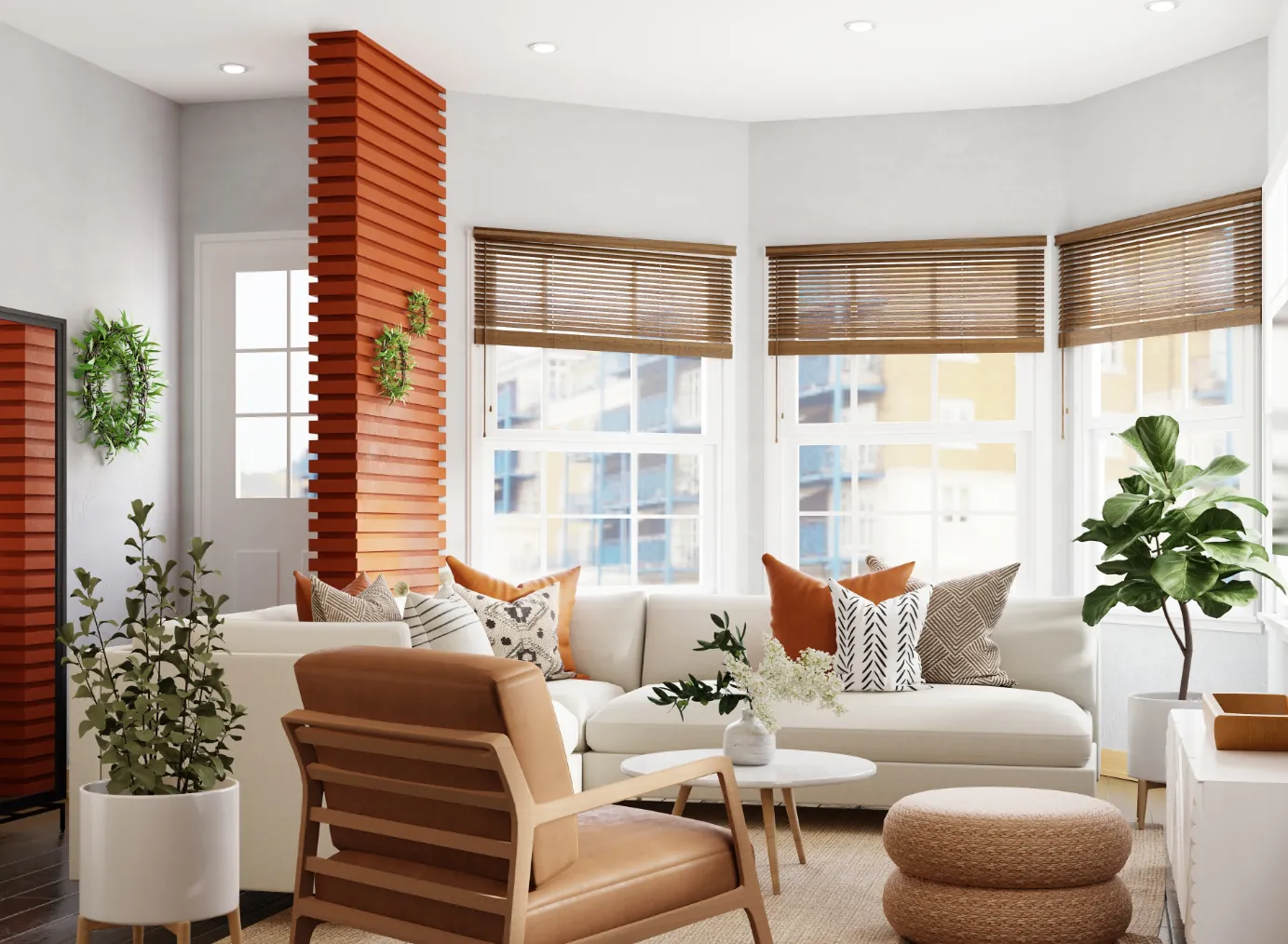
  • Living Room & Bedroom Makeovers: Fresh paint, new flooring, built-in storage, and modern decor can create a more inviting and stylish space.
  • Open Floor Plan Conversions: Many homeowners remove walls to create open, airy spaces that allow for better flow and natural light.

Interior renovations are ideal for those looking to modernize their homes, increase convenience, or adapt to changing lifestyle needs.


2. Exterior Renovations: Boosting Curb Appeal

The exterior of a home or building is just as important as the interior. Exterior renovations improve the structural integrity and appearance of a property, making it more attractive and durable.

  • Roof Repairs & Replacements: A new roof enhances safety, insulation, and overall durability, protecting the home from weather damage.
  • Siding & Painting: Fresh paint or new siding materials improve aesthetics while also providing better protection against the elements.
  • Windows & Doors: Replacing old windows and doors with energy-efficient options improves insulation, security, and design.
  • Landscaping & Outdoor Spaces: Adding patios, decks, gardens, and fencing can create beautiful outdoor areas for relaxation and entertainment.

These upgrades not only improve the look of a property but also contribute to energy efficiency and long-term cost savings.


3. Structural Renovations: Reinventing the Foundation

Structural renovations involve major modifications to the framework of a building. These renovations are necessary when dealing with outdated designs, safety issues, or the need for expanded space.

  • Home Additions: Expanding a home by adding extra rooms, floors, or extensions to accommodate growing needs.
  • Foundation Repairs: Strengthening the foundation to prevent issues like cracks, sinking, or water damage.
  • Wall & Ceiling Modifications: Removing or adding walls to change layouts, improve lighting, or support new designs.
  • Attic & Basement Conversions: Transforming underutilized spaces into functional rooms like offices, guest rooms, or entertainment areas.

Structural renovations require expert planning and engineering to ensure safety and compliance with building codes.


4. Energy-Efficient Renovations: Sustainable Living

With increasing awareness of environmental conservation, many homeowners are choosing energy-efficient renovations to reduce their carbon footprint and save on utility costs.

  • Solar Panel Installation: Harnessing solar energy to power homes and reduce electricity bills.
  • Insulation Upgrades: Adding or improving insulation in walls, roofs, and floors to maintain indoor temperatures efficiently.
  • Energy-Efficient Windows & Doors: Installing double-glazed or smart windows that minimize heat loss and improve energy conservation.
  • Smart Home Technology: Incorporating automation systems for lighting, heating, and security to improve convenience and energy savings.

These renovations not only contribute to sustainability but also increase property value and long-term savings.


5. Commercial Renovations: Transforming Business Spaces

Businesses also require renovations to maintain functionality, attract customers, and stay competitive. Commercial renovations focus on upgrading workspaces, improving branding, and ensuring safety compliance.

  • Office Renovations: Updating office layouts, furniture, and lighting to create a more productive and modern work environment.
  • Retail Space Upgrades: Enhancing store layouts, signage, and customer experience areas to boost sales.
  • Restaurant & Hospitality Renovations: Creating aesthetically pleasing and functional spaces that improve dining and lodging experiences.
  • Industrial & Warehouse Renovations: Improving safety, logistics, and space utilization for better operational efficiency.

Well-planned commercial renovations help businesses stay relevant and competitive in an evolving market.


Conclusion

Renovations come in various forms, each serving a unique purpose to enhance homes, commercial spaces, and even entire communities. Whether it’s a simple kitchen upgrade, a structural transformation, or an energy-efficient overhaul, renovations contribute to improved functionality, comfort, and sustainability. Understanding the different types of renovations allows homeowners and business owners to make informed decisions that align with their needs and long-term goals.

Are you planning a renovation? Choose the right type based on your priorities and create a space that perfectly suits your lifestyle or business needs!

Leave a Reply

Your email address will not be published. Required fields are marked *