Phone:
(701)814-6992
Physical address:
6296 Donnelly Plaza
Ratkeville, Bahamas.

Phone:
(701)814-6992
Physical address:
6296 Donnelly Plaza
Ratkeville, Bahamas.
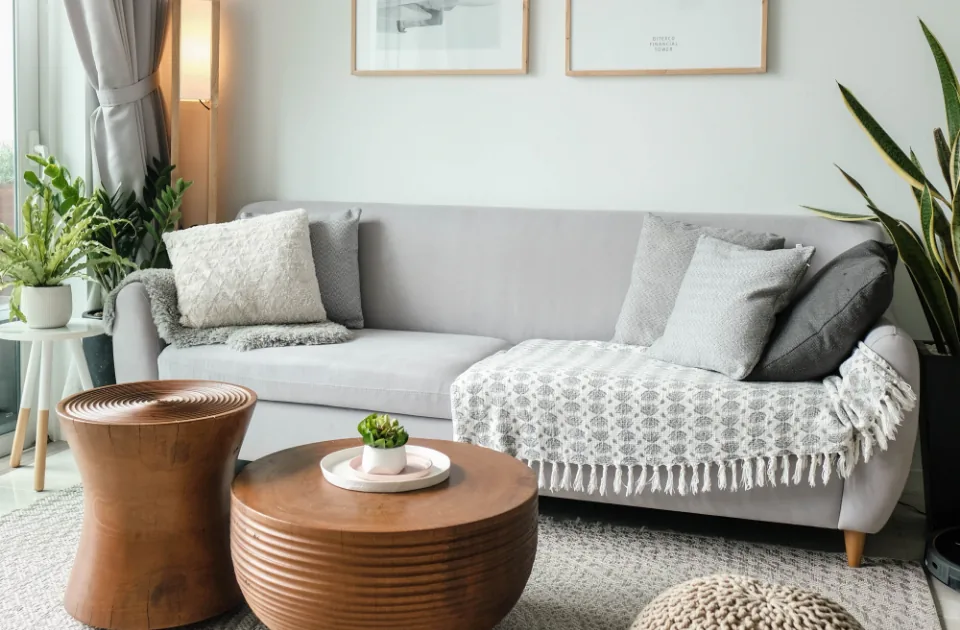
Home renovation is evolving rapidly as homeowners seek greater functionality, energy efficiency, and aesthetics. As we move into 2025, the industry is witnessing a shift toward sustainable solutions, smart technology integration, and adaptable living spaces. These innovations are redefining the way homes are designed, built, and renovated. Keeping up with the latest trends ensures that your renovation choices not only enhance your living experience but also increase your property’s long-term value.
Sustainability is no longer just an option—it has become a necessity in modern renovations. As climate change concerns grow, homeowners are choosing eco-friendly materials and energy-efficient solutions to minimize their environmental footprint.
Key sustainable renovation practices include:
By prioritizing sustainable practices, homeowners can reduce energy costs, decrease environmental impact, and create healthier living environments.
Technology is transforming home renovations, making everyday life more efficient, secure, and convenient. The integration of smart home systems is becoming a standard feature in modern renovations.
Notable smart home upgrades include:
Investing in smart home technology not only enhances functionality but also increases property value as buyers increasingly prioritize tech-friendly homes.
With the rise of remote work and evolving lifestyles, the need for flexible home spaces has grown. Homeowners are now designing rooms that serve multiple purposes, ensuring maximum space utilization.
Popular multi-functional renovation ideas include:
Multi-functional spaces not only improve convenience and comfort but also optimize available space without requiring extensive structural changes.
The open-concept layout remains a dominant trend in 2025, enhancing both aesthetics and functionality. Homeowners are opting for designs that create a sense of spaciousness and fluidity between rooms.
Key features of open-plan renovations include:
These renovations enhance natural airflow, create brighter interiors, and make homes feel more inviting.
Modern renovations focus on improving the daily living experience. Whether it’s smart home automation, energy efficiency, or space optimization, these upgrades increase convenience and comfort. Homes are now being designed to adapt to changing needs, ensuring long-term satisfaction for homeowners.
Homes featuring sustainable materials, smart technology, and flexible spaces attract higher resale value. Buyers in 2025 will be looking for properties that offer:
Renovating with these elements in mind makes homes more appealing to future buyers and enhances long-term investment potential.
As trends continue to evolve, it’s essential to renovate with long-term sustainability in mind. Instead of short-lived trends, focusing on timeless designs and energy-efficient innovations ensures that your home remains functional and stylish for years to come.
The future of home renovation in 2025 is centered around sustainability, smart technology, and adaptable living spaces. By embracing these trends, homeowners can enhance their quality of life, reduce environmental impact, and increase property value. Whether you’re planning a minor upgrade or a major renovation, staying ahead of these innovations ensures that your home remains a modern, efficient, and comfortable space for the future.
Are you considering a home renovation in 2025? Start planning today to incorporate these transformative trends and future-proof your home